43 Articles in this category
You bite into a juicy, savory burger that sizzles on the grill and satisfies a deep-seated craving, only to learn it was grown in a field, not on a farm. This isn't magic; it's a sophisticated act of culinary engineering. We're pulling back the curtain to reveal the scientific alchemy and flavor chemistry that's tricking your brain into loving the future of food. Forget the ethical debates and nutritional showdowns for a moment. The real story, the one happening in hushed labs and high-tech kitchens, is about the audacious science of mimicry. We're exploring how food technologists are reverse-engineering the multisensory experience of eating meat and dairy, molecule by molecule. From the sizzle in the pan to the rich, lingering mouthfeel, every element is a calculated variable in an elaborate gastronomic equation. This is a journey into the heart of plant-based deception, where proteins are re-spun, fats are micro-encapsulated, and flavor is built from the ground up, all to win over the world's most discerning sensory instrument: you.
Most 'easy meal' recipes make a promise they can't keep, assuming a baseline of energy you simply don't have. It’s time to stop feeling guilty about your choices and start cooking based on your actual capacity. Forget '30-minute meals' and discover the power of the 3-level energy menu, designed for the days you can barely stand to the days you feel almost human. This isn't about being lazy; it's about being strategic. In burnout recovery, your energy is a precious, non-renewable resource. Spending it all on a complicated 'quick' meal is a recipe for deeper fatigue. The Spoon Theory Kitchen honors your limits and provides a framework for nourishment, no matter how depleted you feel. We'll explore three distinct tiers of meals, categorized not by minutes, but by the mental and physical 'spoons' you have available.
We've all debated pineapple, argued over crust thickness, and judged a pizzeria by its pepperoni. But what if we've been focusing on the wrong thing all along? The true soul of a pizza place isn't in its toppings, but in the blistering heart of its oven—and understanding the difference between wood, coal, and deck will change how you choose your next slice forever. This investigation peels back the layers of mozzarella and sauce to examine the elemental forces of heat transfer that forge a pizza's true identity. We're not just tasting ingredients; we're tasting thermodynamics. By the end of this, you won't just be a pizza lover; you'll be a pizza detective, equipped to deduce the quality of a pie before you even take a bite.
The flaming onion volcano erupts and the shrimp tail flips perfectly into a chef's hat. But between the dazzling knife work and flying food, are you witnessing true culinary artistry or just a well-rehearsed dinner theater act? This guide decodes the subtle signs that separate a teppanyaki master from a mere performer, transforming your search for 'hibachi near me' into a quest for an authentic master.
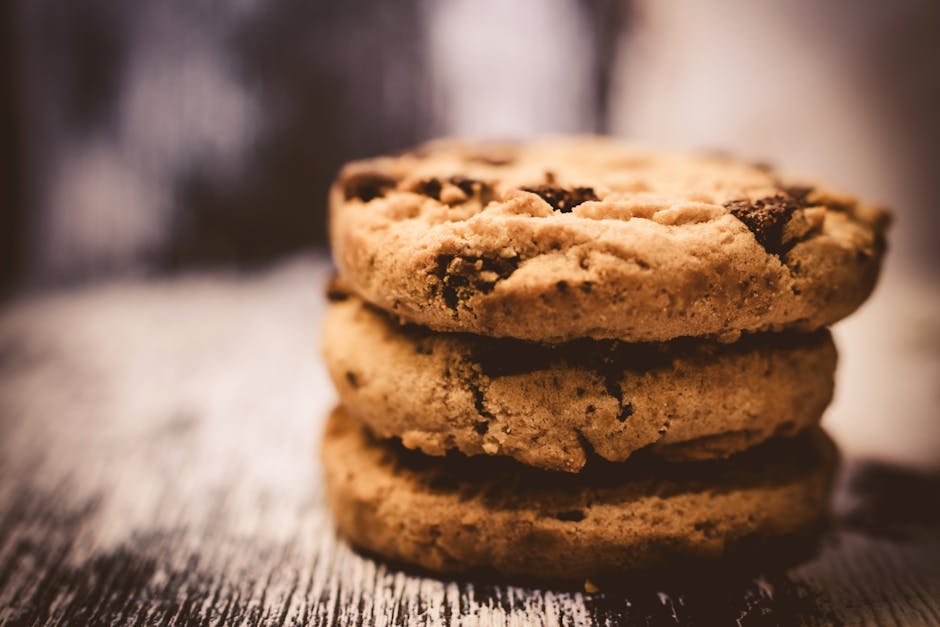
Forget the endless search for the one 'perfect' chocolate chip cookie recipe—it doesn't exist. Instead, what if you could engineer your ideal cookie based on hard data? We've turned the kitchen into a lab to deconstruct this classic treat, giving you the blueprint to control everything from chewiness to crispiness. This is not another recipe; this is a system. By isolating and manipulating the core variables—fat, sugar, flour, and temperature—we can map the entire spectrum of possible cookie outcomes. We call it The Cookie Matrix. Prepare to move beyond simply following instructions and start making informed, data-backed decisions to build your signature chocolate chip cookie from the ground up.
Every steak recipe you've ever read probably starts with the same instruction: let your steak come to room temperature. We're here to tell you that this is not only a waste of time, but it's actively sabotaging your crust. The secret to a steakhouse-level sear isn't in the marinade or the pan; it's in understanding the physics of heat transfer and moisture evaporation. This deeply ingrained culinary dogma is based on a misunderstanding of how heat penetrates meat. By embracing the counter-intuitive principles of thermodynamics, we can achieve a steak with a profoundly flavorful, crackling crust and a perfectly cooked interior, every single time. It's time to stop warming your steak and start drying it.
You open your favorite delivery app, scrolling past the same three sponsored chain restaurants for the hundredth time, and a thought creeps in: 'Is this really all there is?' The truth is, the app's algorithm is a gatekeeper, not a guide, and it's actively hiding the most authentic, delicious local spots from you. It's time to find the food they don't want you to see. I've spent years reverse-engineering these digital menus, treating them less like a convenience and more like a code to be cracked. This isn't just about finding dinner; it's about reclaiming your neighborhood's culinary identity from a system designed to sell you the most profitable option, not the most delicious one. This guide is your digital lockpick set.
You've searched 'thai restaurant near me' and are scrolling through a dozen nearly identical options. But how many are serving truly authentic Thai food versus a sweetened, Americanized version? Forget generic star ratings; we're revealing the insider secrets—from the color of the curry to specific words on the menu—that instantly separate the real deal from the imposters. For years, I’ve navigated the back alleys of Bangkok and the kitchens of Chiang Mai, and I can tell you this: the soul of Thai cuisine isn't found in a bottle of ketchup. It's found in a delicate, complex balance of flavors. This guide will teach you how to spot it, starting with the most commonly misunderstood dish of all: Pad Thai. Think of this not as a set of rigid rules, but as a culinary lens, empowering you to become the discerning diner who can spot authenticity from a menu's length away.
You typed 'Italian near me' looking for a plate of pasta, but what you're really searching for is an experience. The problem is, a map of red pins doesn't tell you which spot is for a hushed, romantic anniversary and which is for a loud, joyful family meal. Before you book, let's decode the difference so you find the perfect Italian vibe for tonight. The right atmosphere is the secret ingredient that turns a simple dinner into a lasting memory, and I'm here to give you the map—not of locations, but of experiences. We'll move beyond star ratings and go straight to the heart of what makes a dining room tick.
You've seen it: the sad, dry cone of mystery meat sweating under a heat lamp. The search for a 'kebab near me' is a high-stakes game, but what if you could spot a winner before you even look at the menu? Forget the online reviews; the real clues are hiding in plain sight, and we're going to show you how to read them. For the last decade, I've navigated the treacherous back alleys and glistening storefronts of the global kebab scene. I've seen things that would turn your stomach and tasted creations that border on divine. This isn't about luck. It's about observation. It's about knowing the code.
You're craving authentic tacos, not a plate of microwaved cheddar cheese on a soggy tortilla. Before you trust a generic 4-star rating, learn the secrets the pros use. The first test is the free chips and salsa—if they fail that, you should probably walk right out the door. This isn't about snobbery; it's about respecting a culinary tradition as deep and complex as any in the world. I'm going to arm you with the knowledge to bypass the culinary tourist traps and find the places that cook with heart, or corazón. We'll cover everything from the consistency of the salsa to the cheese they use and why a giant menu is often a sign of a giant freezer.
You've licked the powdered sugar from your fingers after devouring a bowl of so-called 'puppy chow.' But have you ever paused mid-crunch to ask the deeply unsettling question: Why are we enthusiastically eating a snack named after kibble? The answer is a surprisingly delicious mystery. As a culinary detective, I've seen my share of strange cases, but this one is a classic. It’s a tale with no clear culprit, multiple aliases, and a trail of powdered sugar leading straight into the heart of American potluck culture. Forget the recipe for a moment; we're opening a cold case file. The charge? A deliberate act of bizarre branding that somehow resulted in one of the most beloved homemade snacks of all time. Our investigation begins now.
You know the ritual: mash the avocado, squeeze the lime, chop the cilantro. But what if that quintessential recipe is based on a historical misunderstanding? We're digging into the past to uncover the authentic, 500-year-old Aztec recipe—long before key ingredients like limes and cilantro were introduced—to discover what this legendary dip was truly meant to taste like. As a culinary detective, my work involves peeling back the layers of modern adaptation to find the original blueprint of a dish. The modern guacamole is a triumph of flavor, but it's a culinary remix. The original—the ahuacamolli of the Nahua peoples—was a composition of profound simplicity, a direct conversation between the volcanic soil of Mesoamerica and the palate. This investigation isn't about criticizing the dip you love; it's about discovering the one that started it all.
You crave that sweet, tangy crunch of Orange Chicken, but dread the potential for a soggy, lukewarm tragedy arriving at your door. Forget luck—we're using science. This is the definitive guide to hacking the Panda Express menu for delivery, ensuring every bite is as crisp and fresh as if you were standing at the counter. The typical delivery container is a hostile environment for food. It’s a steam-filled chamber where heat, moisture, and time conspire to dismantle the very textures you love. This guide isn't about which items taste best; it's about which items are engineered to survive that journey. We will analyze the menu through the lens of moisture migration, thermal dynamics, and starch retrogradation to build the perfect, degradation-proof order.
You've been there: the frantic 'take out near me' search, the hungry drive home, the grand unboxing... only to find a sad, lukewarm pile of what used to be crispy fries. The truth is, not all takeout is created equal, and the failure often lies in the food's 'travel-ability', not the restaurant itself. What if you knew the insider secrets to ordering meals that taste just as good at home as they do in the kitchen? As a former line cook who has packed thousands of to-go orders, I can tell you it's not about luck; it's about food science. It's about understanding which dishes are built like a fortress, and which are as delicate as a house of cards in a windstorm. This is the Takeout 'Travel Test,' and once you learn the rules, you'll never suffer through a soggy delivery again.
It’s the silent fear of every Chipotle aficionado: is the convenience of ordering online costing you precious ounces of barbacoa? You're not just imagining it. We put the 'Chipotle Skimpflation Theory' to the test, ordering and weighing dozens of bowls to uncover the truth and build the perfect digital strategy to ensure you never get a lightweight lunch again. We conducted a controlled experiment, weighing in-person vs. digital orders, to prove this discrepancy. This report isn't just a confirmation of your fears; it's a field manual. We'll break down the data, expose the flaws in the digital ordering system, and give you a precise, step-by-step strategy to exploit those flaws for a heavier, more satisfying bowl. Stop settling for less. It's time to reclaim your rightful portion.
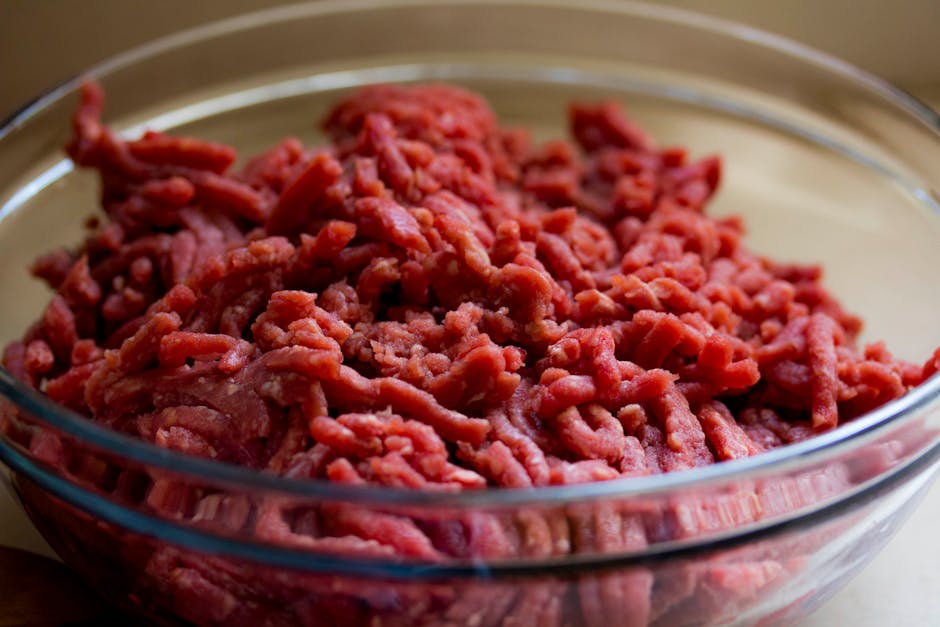
Stuck in a ground beef rut of tacos, burgers, and bolognese? The problem isn't your recipes; it's your pantry pairings. We're about to reveal the flavor map that will turn that humble pound of ground beef into something extraordinary, using surprising ingredients you never thought to try. Forget mindlessly following steps. Today, we're going to teach you how to think, taste, and build flavor like a chef. We're handing you the compass to navigate the vast potential of what is, essentially, the most versatile protein in your kitchen. Think of that package of ground beef not as a destination, but as a blank canvas. The ingredients we're about to explore are your new palette, and the results will be culinary masterpieces that feel entirely your own.
That messy, spicy platter of Buffalo wings is more than just bar food; it’s a masterclass in sensory engineering. We think we’re craving chicken, but we're actually chasing a complex trifecta of brain-hacking capsaicin, the cooling fat from blue cheese, and the deep-seated social permission to eat with our hands. Forget the best recipe—we're about to dissect the science of why you can't have just one. As a food scientist and culinary anthropologist, I see the Buffalo wing not as a meal, but as a carefully calibrated delivery system for a specific set of neurological and physiological responses. The heat, the fat, the tang, the texture, and even the social ritual surrounding its consumption are all meticulously, if accidentally, designed to bypass our rational minds and target the primitive reward centers of the brain. This isn't about hunger; it's about hacking our own biology for a uniquely satisfying experience.
Overnight oats promise an effortless, delicious breakfast, but reality is often a jar of gummy, bland mush. If you've given up on this meal-prep miracle, don't blame yourself—blame the flawed recipes. We're exposing the five most common errors and providing the master blueprint for perfect oats, every single time. From my laboratory (and my kitchen), I've analyzed countless recipes, and the points of failure are remarkably consistent. They neglect the fundamental principles of starch hydration, flavor chemistry, and textural integrity. This isn't just cooking; it's a controlled experiment in a jar. Below, we will move beyond guesswork and into the realm of precision, transforming your breakfast from a daily disappointment into a repeatable success.
You think you know the Dairy Queen menu, but you probably only know half of it. For millions of Americans, the DQ experience isn't just Blizzards and Dilly Bars—it's steak finger baskets, breakfast tacos, and the Hungr-Buster burger. This isn't a secret menu; it's a massive, official divide that has created two entirely different Dairy Queen universes within the same country. This phenomenon, which I call 'The Blizzard Line,' serves as a culinary Mason-Dixon Line, separating two distinct fast-food cultures operating under the same iconic red logo. Cross this invisible border, and the familiar landscape of soft-serve and GrillBurgers gives way to a territory defined by crispy steak fingers and savory country gravy—a testament to the power of regional identity in an era of corporate homogenization.
Forget the sickly-sweet, neon-pink drink you remember from the 90s. The Cosmopolitan is staging a major comeback, but not in the way you think. We're pulling back the velvet rope to show you how the world's best mixologists are rescuing this icon from its caricature, using craft ingredients and modern techniques to make it the most surprisingly sophisticated drink on their menu. Once a symbol of late-90s excess, the Cosmo became a victim of its own success, drowning in cheap ingredients and lazy preparation. But in the hushed, ice-clinking world of high-end cocktail bars, a quiet revolution is underway. This isn't a revival; it's a renaissance.
You typed 'donuts near me' expecting a map, but what you really want is an experience. The perfect donut isn't just about the taste; it's about the moment—a quiet morning with a book, a celebratory sugar rush with friends, or the perfect photo-op for your feed. Forget the closest option; let's find the right one for the vibe you're after. This isn't a list of the top ten bakeries. This is a framework for your feelings, a guide to matching your internal mood with an external atmosphere. We're curating your next donut run, transforming it from a simple transaction into a memorable outing. Prepare to see your local pastry scene in a whole new light.
It’s 5 PM. The question ‘What’s for dinner?’ feels less like a simple query and more like a final, impossible boss battle. Most 'easy' recipes don't account for the real problem: you're not just short on time, you're short on mental, physical, and emotional energy. Forget 30-minute meals; let's talk about the 2-spoon dinner. After years of burning out in pursuit of the perfect weeknight meal, I threw out the rulebook and created a new system based on the only metric that matters: my actual capacity to function. This is the Dinner Energy Scale, a pragmatic approach to feeding yourself when you're running on empty. It’s not about aspirational cooking; it’s about compassionate survival.
You typed 'tacos near me' into your search bar, but the map of endless dots doesn't understand the real question. You aren't just looking for the closest taco; you're looking for the right taco. This guide is your personal taco sommelier, designed to decode your craving and point you to the perfect spot for your exact mood. Forget proximity. We're talking about a culinary match made in heaven, a perfect synthesis of your internal state and a folded tortilla. Every craving has a story—a reason it bubbles to the surface—and every one of those stories deserves a delicious ending. Consider this your roadmap to taco enlightenment, helping you navigate the city's offerings not by the mile, but by the mood.
You pull up the McDonald's app, tap your usual combo, and hit 'order.' It's easy, but you're doing it wrong. Hidden within the app's customization options are secret menu hacks and value stacks that the front counter staff don't even know exist. Think of the McDonald's app not as a menu, but as an ingredient list. The front counter is a fixed-price dinner; the app is your private kitchen where you can remix, rebuild, and exploit the system for maximum flavor and value. We're not just ordering food; we're hacking the supply chain, one custom burger at a time. This guide decodes the app's matrix, giving you the keys to a menu you never knew you had access to.
That iconic packet of taco seasoning is a pantry staple, but have you ever actually read the ingredients list? We put that classic flavor under the microscope to decode its DNA, creating a simple recipe that delivers all the nostalgic taste you love without any of the fillers, anti-caking agents, or excess sodium. In my lab—which doubles as a kitchen—we treat flavor as a solvable equation. The commercial taco seasoning packet is a masterclass in food engineering, designed for shelf stability and mass appeal. But in prioritizing logistics, it sacrifices purity and potency. Our mission was to isolate the core flavor components, discard the industrial additives, and rebuild the profile from the ground up using superior, readily available ingredients. What follows is not just a recipe, but the blueprint for taking back control of your pantry.
You typed 'burgers near me' into your search bar, but what are you really looking for? You're searching for comfort after a brutal workday, a celebratory feast, or the perfect greasy cure for a Saturday morning. Stop scrolling through generic lists and let's find the emotional support burger your soul actually needs right now. We often treat food searches like a hunt for a trophy—the 'best,' the 'biggest,' the 'most popular.' But as a food psychologist, I see it differently. Your craving is a signal from your subconscious. It's not just a desire for beef and bread; it's a request for a specific emotional experience. This guide isn't about five-star ratings; it's about five-star feelings. We'll decode your cravings and map them to the local joints that deliver the precise experience you need, transforming a simple meal into a moment of genuine self-care.
Ever wonder why one batch of peanut butter cookies is perfectly chewy while the next is a crumbly disaster, even when you followed the recipe? The secret isn't in the brand of peanut butter; it's in the chemistry. We're breaking down the science behind the bake, transforming you from a recipe-follower into a cookie architect. This isn't just another list of ingredients. This is the Baker's Equation, a molecular blueprint that puts you in complete control. By understanding the function of each variable—fat, sugar, flour, and leavening—you'll learn to diagnose problems before they happen and tweak any recipe to produce your ideal cookie, every single time.
You've tried it all: browned butter, expensive chocolate, a sprinkle of sea salt. But what if the greatest chocolate chip cookie of your life isn't about what you put in the dough, but how long you're willing to wait? We tested the same batch at 0, 24, 48, and 72 hours—the results will change how you bake forever. For years, in both my professional lab and my home kitchen, I chased the phantom of the 'perfect' cookie. I manipulated fats, sugars, and flours with scientific precision. Yet, the most profound discovery I made wasn't a new ingredient, but a new process: strategic patience. This article isn't another list of things to buy; it's a deep dive into the science of dough aging and a timeline of how a simple bowl of raw ingredients can metamorphose into a cookie with breathtaking complexity. Prepare to rethink everything you know about baking.
You've been told a great meatloaf needs a panade, a sweet glaze, and a heavy hand. I'm here to tell you that's how you make a meat brick. The real secret to an impossibly tender, flavor-packed loaf lies in a counterintuitive technique borrowed from Japanese kitchens, one that fundamentally changes the protein structure to create a result that's both richer and shockingly light. We're not just mixing ingredients; we're building an emulsion. By understanding the molecular behavior of meat, fat, and starches, we can force them into a stable, juicy matrix. This isn't your grandmother's meatloaf—it's meatloaf rebuilt from the ground up, applying the principles of Japanese Hambāgu (hamburger steak) to an American classic. The result is a springy, succulent loaf that holds its shape perfectly, yet yields to the slightest pressure from a fork. Prepare to rethink everything you thought you knew about this comfort food staple.
You hit 'place order' for your favorite Tour of Italy, but something feels missing. It’s not just the food you crave; it's the endless stream of warm, garlicky breadsticks and the famously bottomless salad bowl. What if you could hack your standard Olive Garden delivery to perfectly replicate that 'when you're here, you're family' feeling right in your own dining room? Forget accepting a finite number of breadsticks as your fate. We're not just ordering dinner; we're reverse-engineering an entire experience. This isn't about compromise; it's about control. I'm going to show you how to exploit a few simple menu options to create a loophole in the standard delivery model, transforming your kitchen table into a private booth at your favorite Italian-American chain, complete with all the 'unlimited' perks and none of the wait.
You just typed 'food open near me' into your phone, and the results are... predictable. The same 24-hour diner, the same fast-food chain, the same soggy pizza joint. But what if you could find the places that the people who just finished cooking your city's best food go to eat when they're hungry? The truth is, after a 14-hour shift on the line, smelling truffle oil and meticulously plating microgreens, the last thing a chef wants is more of the same. We crave something else entirely: food that is honest, potent, and served without pretense. This is your guide to finding that 'after-hours menu'—the unlisted, unadvertised, and unbelievable food that fuels the restaurant industry itself.
You typed 'Mexican food near me' hoping for life-changing tacos, but the results look suspiciously generic. Before you settle for a plate of disappointment, what if you could spot a truly authentic taqueria from a block away? This isn't just another list; it's your field guide to finding the real deal, because the best spots often have the humblest signs. My name is Elena, and I've spent my life straddling two worlds: the rich, complex flavors of my family's kitchen in Guadalajara, and the sea of yellow cheese and crunchy shells that often passes for 'Mexican' in the U.S. This mission is personal. It's about helping you bypass the facsimiles and connect with the heart and soul of my culture, one taco at a time. Consider me your culinary detective, and this is our case file.
Every banana bread recipe tells you to use overripe, blackened bananas. This is good advice, but it's only half the story. We're skipping the usual debates about butter vs. oil and focusing on the one chemical reaction that will fundamentally change your loaf from a simple sweet bread into a complex, caramel-rich dessert. The enzymatic browning that happens as a banana sits on your counter is a crucial first step, but it's merely the prelude. The real symphony of flavor begins when you introduce controlled heat before the batter is even mixed. By roasting your bananas, you're not just softening them; you're initiating a cascade of chemical reactions, chief among them the Maillard reaction. This is the key that unlocks a spectrum of flavor you didn't know your banana bread was missing.
You follow the recipe perfectly, using the fancy brioche and fresh eggs, yet you're still left with a plate of sweet, soggy bread. The problem isn't your ingredients; it's the chemistry. This isn't just another recipe—it's a scientifically-proven method to achieve a perfectly caramelized crust and a creamy custard center, every single time. We're going to ignore culinary folklore and look at the two critical scientific principles that govern the success or failure of your breakfast: custard osmosis and the Maillard reaction. By controlling these two variables, we can move from hopeful guesswork to repeatable, delicious results. This is the blueprint for transforming a simple dish into a masterful one by understanding the 'why' behind the 'how'.
We’ve all experienced the quiet tragedy of a lukewarm, structurally compromised Taco Bell delivery. But what if the sogginess wasn't inevitable? We ordered the entire menu, armed with a stopwatch, an air fryer, and a mission: to create a definitive, science-backed guide to ordering Taco Bell for delivery without sacrificing the crunch. This isn't just a review; it's a rescue mission. We subjected every burrito, taco, and quesadilla to a rigorous 25-minute simulated delivery trial. Our findings separate the delivery heroes from the textural traitors and provide you with the ultimate playbook for resurrecting your meal from the brink of mediocrity.
You've been ordering from the Taco Bell menu all wrong. Those pre-set items aren't a list of options; they're a collection of parts. We're here to show you how to see the menu as a matrix of ingredients you can manipulate to build better, cheaper, and more delicious creations than anything on the board. My analysis of their system architecture reveals a simple truth: the menu isn't a restaurant document, it's a user interface for a highly modular ingredient database. The pre-set combos are just macros—shortcuts for the uninitiated. True power users write their own scripts.
You're scrolling through delivery apps, craving Chinese food, but every menu looks the same: General Tso's, Sweet and Sour Pork, Crab Rangoon. What if the most incredible, authentic dishes are hiding in plain sight, just waiting for someone who knows the code? It’s time to stop ordering the usual and start discovering the hidden gems your neighborhood has to offer. As a culinary anthropologist, I've spent my career tracing the migration of flavors, and I can tell you that most local Chinese restaurants are a tale of two kitchens. One serves the familiar, American-Chinese canon—a cuisine with its own rich history, but one that is ultimately a single, homogenized branch of a vast and diverse culinary tree. The other kitchen, however, often cooks for the family, the staff, and those in the know. This guide will turn you into a menu detective, equipping you with the skills to peer behind the curtain and access that second kitchen, all from the comfort of your couch.
You typed 'Italian restaurants near me,' but what you're really looking for probably isn't on the first page of results. Most spots are serving a comforting, red-sauce-drenched version of Italian food born in New York, not Naples. We'll give you the 'red flag' words and 'green light' dishes to look for, turning you into an expert who can spot true authenticity from a block away. As a historian who carries a passport from the republic, I find this culinary confusion both fascinating and frankly, a little insulting. This is not about snobbery; it is about preservation. The food you call 'Italian' is often a caricature, a greatest-hits album of misunderstood dishes played far too loudly. My mission is to give you the code to decipher the menu, to find the restaurants that respect the grammar of our cuisine, not just the popular slang.
You think you know the Manhattan. Two parts rye, one part sweet vermouth, a dash of bitters. But what if the soul of the drink isn't in the ratio, but in the roots? We're going beyond the classic recipe to explore the forgotten concept of cocktail terroir, building a true Manhattan from spirits and botanicals born in the state that gave the drink its name. This isn't merely a drink; it's a liquid artifact, a taste of a specific time and place. To assemble it with ingredients from Italy, Kentucky, and Trinidad is to create a delicious but geographically incoherent statement. We, however, are in pursuit of its native tongue. Prepare to rediscover the Manhattan not as a global citizen, but as a proud New Yorker.
You click 'place order,' but have you ever considered the perilous journey your food is about to take? Between the kitchen and your couch is a war against time, temperature, and texture. This is the inside story of how chefs are becoming scientists, secretly re-engineering your favorite dishes to survive the delivery gauntlet. What leaves the kitchen as a perfectly crisp, hot, and composed meal can arrive as a lukewarm, soggy tragedy. But the smartest kitchens are fighting back. They're not just cooking; they're engaging in a covert operation of culinary science, creating dishes specifically armored to withstand the bumps, chills, and condensation of the road. This isn't about compromise—it's about reinvention.
Walk into any legendary American deli, and you'll likely see them on the menu: towering sandwiches named after screen legends and sports heroes. But have you ever wondered why a certain star gets paired with pastrami and swiss on rye? These aren't just quirky menu tributes; they're edible biographies, and each one tells a fascinating story about fame, food, and culture. They are culinary artifacts, stacking layers of meaning between two slices of bread, offering us a taste of a specific time, place, and personality. To understand the celebrity sandwich is to understand the evolution of American fame itself.
You've bought the tequila with the A-lister's signature and seen the ads for the supermodel's rosé. But while the famous face gets the credit, a ghost distiller is in the lab perfecting the mash bill. This is the story of the unsung masters who turn celebrity concepts into award-winning spirits. In the deafening roar of celebrity marketing, their work is a quiet, persistent hum—the methodical thud of a barrel being rolled, the precise hiss of a still, the clink of a glass holding a spirit tasted not for a photo op, but for perfection. This isn't a critique of celebrity brands; it's a spotlight redirected. We're pulling back the curtain to celebrate the architects of taste, the anonymous artisans whose hands, noses, and palates are the true signature on every bottle.